










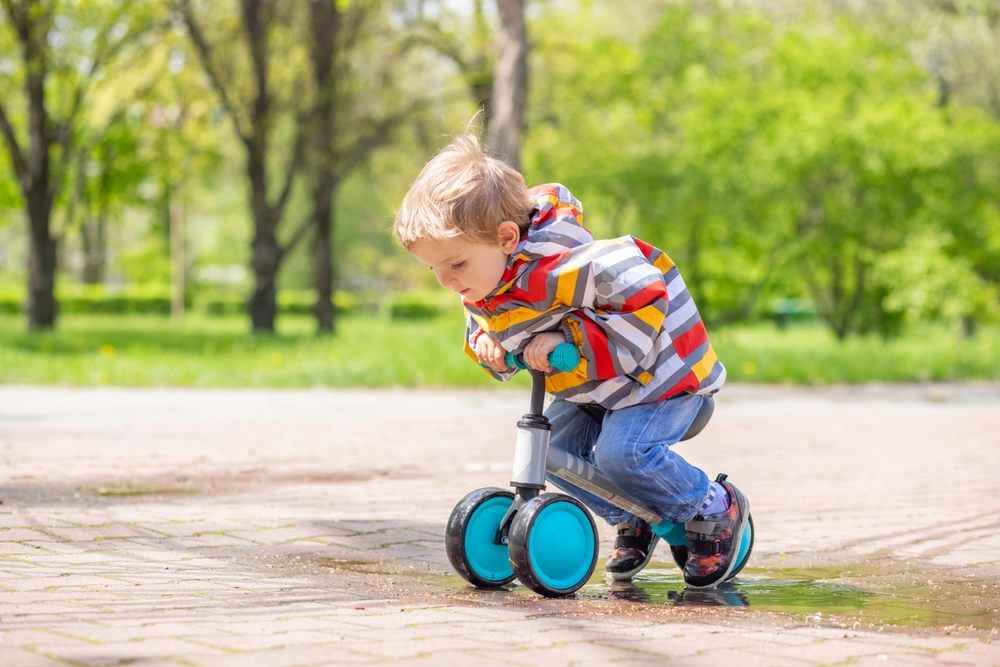
Is there anything more joyous than seeing a child's sheer delight at mastering a new skill? Parenting is filled with these magical moments. As parents, we can support these developmental milestones with stimulating play and suitable toys. Enter the realm of outdoor play, where ride-on toys like trikes and balance bikes reign supreme, playing a crucial role in developing balance and coordination.
But what's the difference between a trike and a balance bike? A trike is a sturdy, three-wheeled ride-on toy that's low to the ground, while a balance bike is a two-wheeled, pedal-less bike propelled by your child's running legs. Let's explore the benefits of these toys and how they can boost your child's development.
Benefits of a Balance Bike
Are balance bikes worth it? Absolutely! These two-wheeled, pedal-less bikes are fantastic for bolstering children's gross motor skills, balance, and coordination. They're simple to use and unlikely to topple over, empowering children with a sense of confidence and control over their movements.
Balance bikes allow children to focus on their balance and control their speed since they can halt the bike with their feet. As such, they're a safer alternative to pedal bikes for very young children. Keep in mind, though, that your child won't be able to practise pedalling until they transition to a pedal bike.
Did you know?
The transition from a balance bike to a pedal bike is often smoother and quicker as children have already mastered the tricky part—balance.
Suitable for youngsters as young as 18 months and up to about 5 years old, balance bikes come in various sizes to match the child's height, with adjustable seats that grow with them. You can use balance bikes both indoors and outdoors, making them a versatile activity for your little ones to enjoy.
Additionally, balance bikes offer cognitive and emotional benefits. For instance, as children learn to control their movements and explore their surroundings, they gain independence and self-confidence. Mastering balance, steering, and stopping the bike also enhances their problem-solving and decision-making skills.
» Here's why physical activity is important for child development
Benefits of a Trike
Trikes are another excellent way for kids to bolster their gross motor skills and coordination, offering a myriad of benefits:
- Physical Development: Riding a trike helps children improve their balance, pedalling, and steering skills, which all involve the use of their core, leg, and arm muscles. Plus, it aids in developing bilateral coordination, which is the ability to use both sides of their body in a coordinated manner.
- Parental Control: Trikes often come with parental handles, making them perfect for energetic toddlers who wish to steer and pedal while their parents guide them.
- Cognitive and Social Development: Trikes can help children's cognitive and social skills flourish. As they navigate their surroundings and make decisions about where to go, they engage with others around them. Riding a trike also teaches children spatial awareness and hand-eye coordination as they learn to gauge distances and react to obstacles in their path.
- Independence: Just like balance bikes, trikes can help young kids gain a sense of independence and self-confidence as they learn to ride on their own.
- Customizability: Many trikes feature adjustable seats and pedals to fit children of different heights and sizes, making them suitable for kids of various ages and developmental stages. Plus, with various designs, colours, and shapes available, they can appeal to a child's interests and preferences, encouraging them to engage in physical activity.
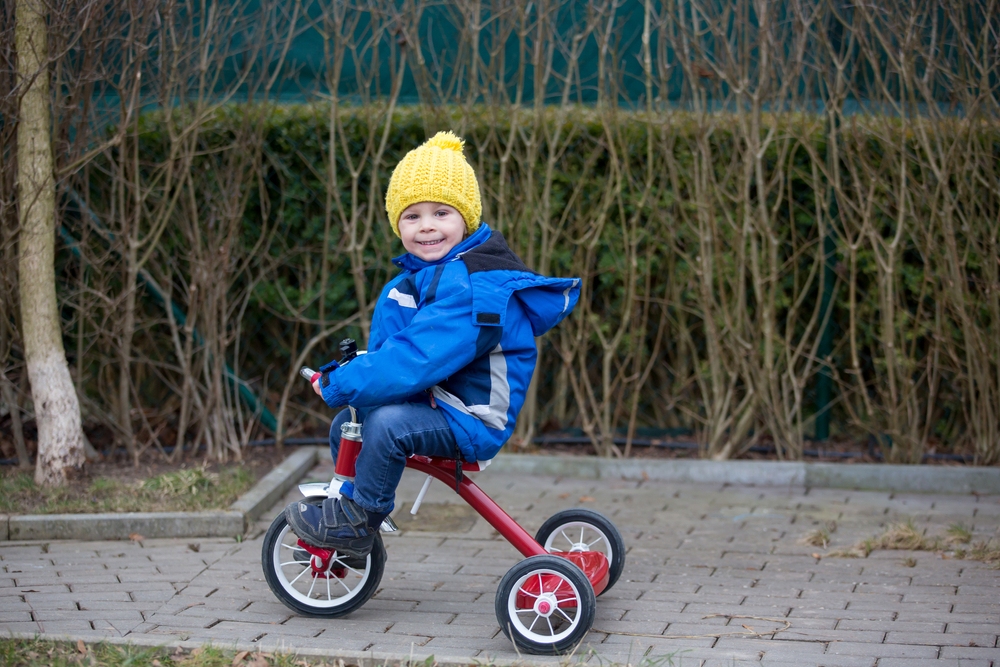
Balance Bikes vs Trikes
Balance bikes are ideal for developing balance and coordination in young children, while trikes provide more stability and are easier to ride for younger kids. The choice between the two depends on the child's age, developmental stage, and desired level of challenge.
Balance Bikes Pros & Cons
Pros
- Promotes balance and coordination
- Helps children transition to pedal bikes faster
- Lightweight and easy to maneuver
- Suitable for children as young as 18 months
- Can be used for a longer period of time as children grow
Cons
- May take longer for children to learn how to ride
- Can be more expensive than trikes
- Requires more space for storage
Trikes Pros & Cons
Pros
- Provides more stability and support
- Easy for kids to learn how to ride
- Can be used indoors or outdoors
- Typically less expensive than balance bikes
Cons
- May not promote balance and coordination as well as balance bikes
- Can be difficult to maneuver in tight spaces
- Limited age range - typically suitable for children up to 3 or 4 years old
Getting an Early Start: A Pushchair Trike
Pushchair trikes offer a fantastic way for young children to begin exploring the world of ride-on toys. Designed for little ones from around 9 months, they help support the development of essential skills such as balance, coordination, and overall motor development—all while keeping outings fun and engaging.
A great example in this category is the Wonder Trike, which combines thoughtful design with everyday practicality.
Designed with Safety in Mind:
The Wonder Trike features a sturdy frame and secure safety harness, giving parents peace of mind while their child enjoys the ride. Its protective features ensure a comfortable and supported experience at every stage.
Effortless Everyday Use:
Lightweight and easy to handle, the Wonder Trike is ideal for daily outings. Whether you're heading to the park or strolling through town, its smooth maneuverability makes it simple for parents to steer while keeping little ones comfortable.
Grows Alongside Your Child:
One of the standout features of the Wonder Trike is its adaptability. With adjustable components and a design that evolves as your child develops, it transitions seamlessly from parent-guided rides to encouraging more independent exploration
Finding the Perfect Ride-On Toy
Incorporating ride-on toys like balance bikes and tricycles into your child's playtime can significantly boost their physical and cognitive development. When choosing the right toy, consider your child's age, size, and developmental level. There's no one-size-fits-all solution for choosing between a balance bike and a trike. Both have unique benefits, and the best option will depend on your child's individual needs and abilities.
Why not let your child try both a trike and a balance bike to see which suits their abilities and preferences better? See which one they seem most comfortable with and prefer to ride.

